
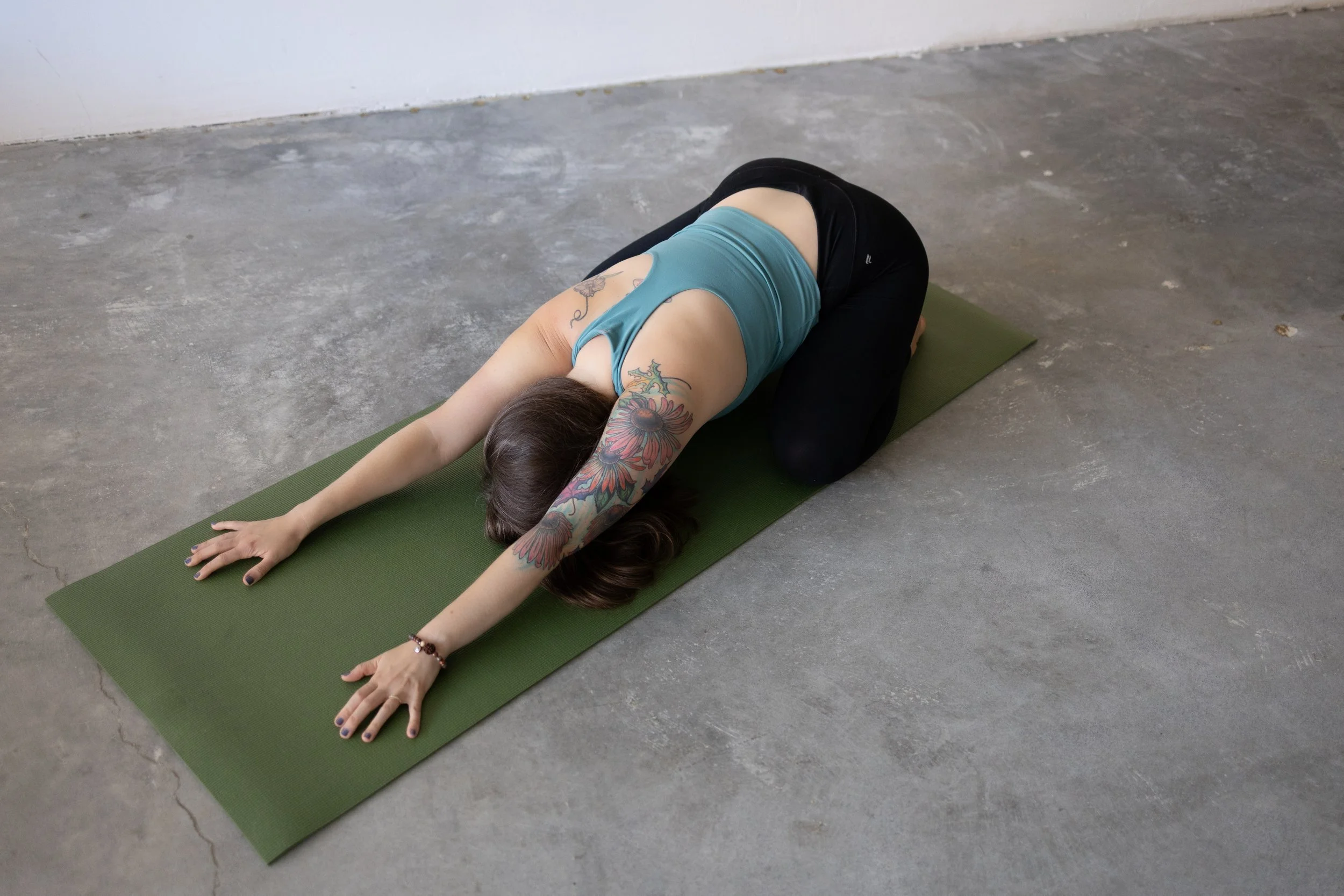
the trauma conscious yoga method
Yoga-Informed Somatic Therapy in Western Washington
What is the Trauma-Conscious Yoga Method?

The Trauma-Conscious Yoga Method℠ (TCYM) is a body-based healing approach that blends gentle, trauma-informed yoga with somatic therapy practices to support the whole person- body, mind, and nervous system. Developed by therapist and yoga teacher Nityda Gessel, TCYM brings together elements of somatic psychotherapy, yogic philosophy, mindfulness, and other body-based approaches to create a flexible, individualized way of working.
What makes this approach trauma-conscious is that we don't simply acknowledge that trauma exists- we stay attuned to how your experiences are showing up in your body, emotions, nervous system, and relationships in the present moment. Rather than asking you to push through discomfort or follow a predetermined sequence, we slow down and pay attention to what feels supportive, what feels like too much, and what your body is communicating along the way.
This means there is no "right" way to do the work. Your practice might include gentle movement, breath work, mindfulness, grounding, guided self-inquiry, or simply noticing what is happening inside you. We'll adapt the work to you, not the other way around.
TCYM is also rooted in social justice and recognizes that trauma doesn't happen in a vacuum. Personal, relational, generational, and systemic experiences can all shape how we move through the world and relate to our bodies. Your experiences don't have to meet some threshold of "big enough" to matter. We make space for the whole context of your life and honor the ways your identities and lived experiences shape your healing.
At its heart, this work is about developing a different relationship with your body- not forcing it to change, but learning to listen to it with greater curiosity, compassion, and choice. Over time, you can begin to feel more at home in your body, more connected to yourself, and more able to move through difficult experiences without losing yourself in the process.
It’s not about fixing what’s “wrong”, it’s about learning how to listen to your system, build safety from within, and access more calm, connection, and choice in daily life.
How does it work?
Learn to stay present and feel more at home in your body.
The Trauma-Conscious Yoga Method℠ (TCYM) is a flexible, somatic approach that supports trauma healing, emotional regulation, and self-connection for trauma survivors, deep feelers, and really, all humans navigating life’s challenges.
I integrate TCYM into individual therapy, intensive therapy work, therapeutic yoga groups, and yoga classes. At its heart, this approach is about learning to work with your body rather than against it, developing greater awareness of what you're experiencing and finding ways to move through overwhelm, emotional flooding, anxiety, and disconnection with more choice and compassion.
Through these practices, you may begin to notice greater body awareness, mental clarity, grounding, and a deeper sense of calm. You may find it easier to recognize what your body is communicating, stay present with difficult emotions, and develop a more trusting relationship with yourself. For some people, this work can also bring a sense of emotional or energetic release as experiences that have been held in the body begin to shift.
These experiences can sometimes be powerful or unexpected. You never have to force a release or push beyond what feels supportive. My role is to stay alongside you, help you stay grounded and connected to yourself, and make space for whatever your experience is asking for in the moment.
This approach gives you…
A deeper understanding of your nervous system — so you can recognize your patterns and responses with clarity, not judgment.
Practical tools to regulate and rebalance — like breathwork, movement, and awareness exercises that support real-time shifts in your state.
Increased capacity for resilience — so you can handle life’s ups and downs with more ease, presence, and confidence.
Support for healing past stress or trauma — by creating safety in the body and reconnecting with your inner resources.
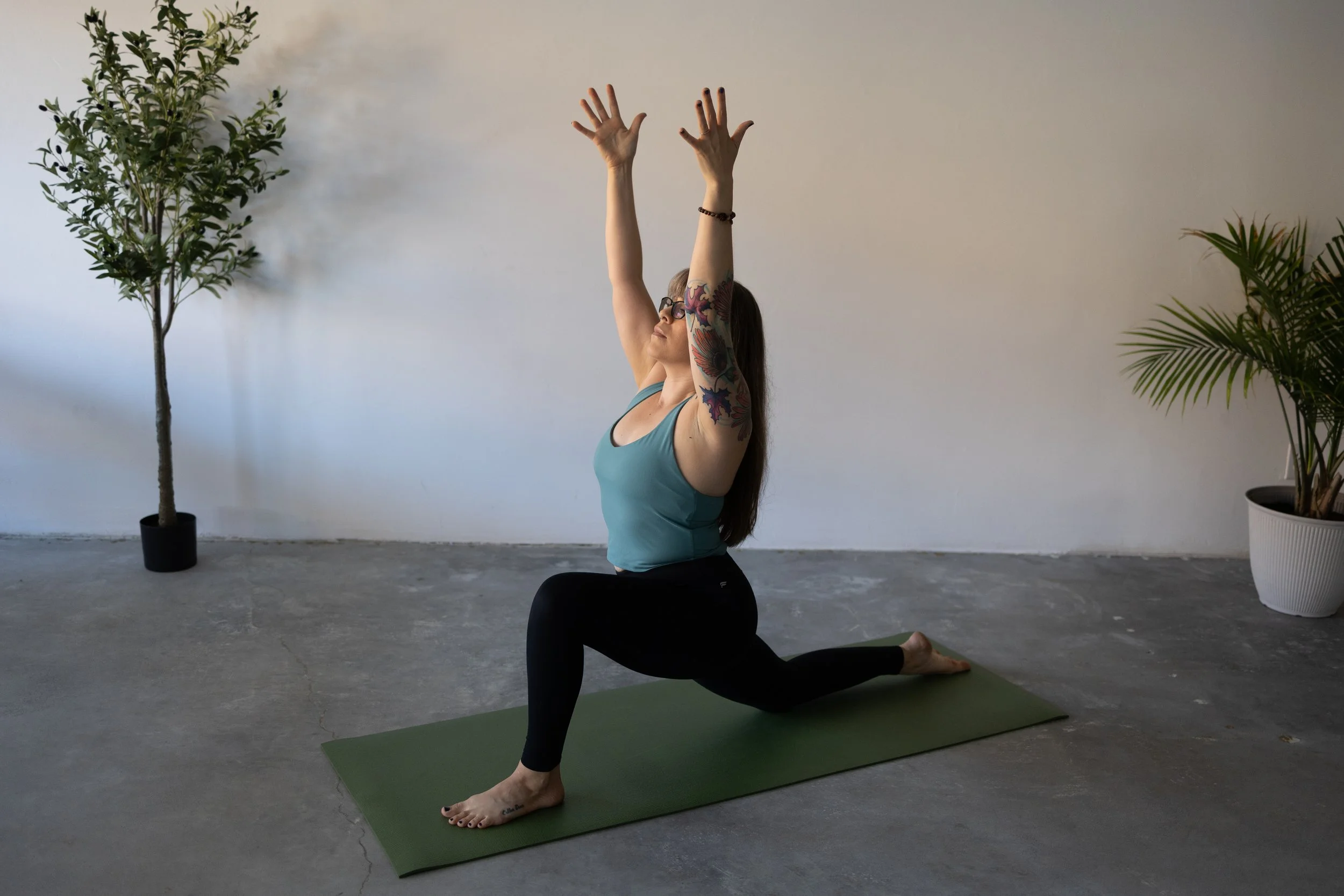
Frequently asked questions about trauma-conscious yoga
FAQs
-
Sessions/Classes may involve education around trauma and your nervous system, body-based techniques for grounding and emotional release/regulation, self reflection, meditation, intentional breathing practices, as well as physical yoga postures or somatic movement practices. Learn more.
-
Trauma is often stored physically in the body by way of the nervous system. While talk therapy processes your experiences on a cognitive level, TCYM helps release the physical stress, tension, and nervous system dysregulation that trauma leaves behind. It fosters body trust and empowerment. Learn more.
-
No! You do not need any prior yoga experience, and you certainly do not need to be flexible. The practices offered are adaptable, invitational, and focused purely on how the movements feel in your body rather than what they look like. Yoga also goes beyond physical movement and involves philosophy, self study, nervous system regulation, meditation, and breathing practices. Learn more.